Leave Your Message
You know, the way Linear Slide Stainers have evolved has really changed the game in histopathology. I mean, we're talking about some major innovations that are shaking up lab workflows! A recent report from MarketsandMarkets suggests that the global histopathology market is set to hit around $xx billion by 2025, and it’s all thanks to advancements in automation and the incredible precision of today’s medical devices. Leading the charge in this transformation is Guangzhou Naturn Medical Devices Co., Ltd., which is all about delivering smart, automated solutions for histopathology and biological labs. As we dive into the latest advancements in Linear Slide Stainers, let’s take a closer look at how these technologies are not just boosting efficiency and making Staining processes more reproducible, but they're also helping improve diagnostic accuracy. Naturn is really committed to excellence in everything—from development to manufacturing and sales of precision equipment—and they're ready to help modernize lab practices. This shift is definitely going to benefit healthcare outcomes and raise industry standards in a big way.
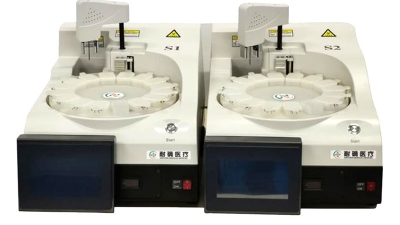
You know, linear slide stainers have really changed the game in labs. They’ve totally transformed how we handle histological and cytological samples. When these automated systems started popping up in the late 20th century, it was like a breath of fresh air—finally, we got standardized staining procedures that made things way less prone to human error, which is a huge plus! A recent report from MarketsandMarkets even projects that the histopathology market, which includes these nifty linear slide stainers, could hit around $30.5 billion by 2026. That just goes to show how crucial these devices are in pushing lab work forward and boosting diagnostic accuracy.
As labs keep pushing for better efficiency, linear slide stainers are evolving in some pretty cool ways. Take for instance the software-driven protocols that allow for customized staining procedures. According to Frost & Sullivan, these automated systems have actually slashed total staining time by over 30%! That’s a big win as it amps up productivity while still delivering top-notch results. Plus, thanks to these advancements, labs are better equipped to handle the growing need for quick and reliable diagnostic tests, especially with all the global health issues we’ve been facing lately. Fast turnaround times for sample analysis have never been more important!
You know, the way linear slide stainers have evolved over the years is pretty fascinating and has really shaken things up in both the histopathology and lab scenes. I mean, back in the day, manual staining was a whole labor of love—super tedious and let’s be honest, full of room for mistakes. But then, bam! The 1990s hit, and automation stepped in like a superhero, totally changing the game. Labs could suddenly crank out results faster and with way less variation in how things turned out.
One of the game-changers in all this has definitely been the fancy software and programming that’s now part of these machines. Modern linear slide stainers have these slick user-friendly interfaces, so techs can whip up custom protocols that fit different tissue types and staining needs like a glove. This kind of flexibility is a big deal since getting accurate and consistent staining is what drives the diagnostic process. Plus, with the latest drying mechanisms and precise temp controls, the turnaround times are way quicker, which is a must in clinical settings, right? And, looking ahead, it’s exciting to think about how these stainers will keep evolving with even more advanced features, pushing the envelope in the industry even further.

You know, the world of linear slide stainers has really changed a lot over the past few years. It’s pretty much reflecting what we’re seeing in similar industries. With more labs and research facilities wanting to boost their efficiency and get things just right, there’s been a growing demand for cutting-edge slide stainers. A recent report even suggests that the slide stainer technology market is set for steady growth, which really speaks to a larger trend of increased investments in automation and making labs more efficient.
This isn't just about technology improvements, though; it’s also about the pressing need for solutions that can handle high throughput. Industry experts are predicting that the linear slide stainer market could see a compound annual growth rate (CAGR) of about 3.67% over the next ten years. That’s a solid uptick, and it’s mainly thanks to the rising uses in clinical diagnostics, pathology, and research labs. It shows just how important these tools are in driving innovation across different fields. Analysts even forecast that by 2033, the market size could hit around USD 6.99 billion. That really highlights the potential for more technological integration and the ongoing evolution of laboratory practices. Exciting times ahead!
| Year | Technology Advancements | Market Growth (%) | Key Players | Future Projections (2025) |
|---|---|---|---|---|
| 2015 | Introduction of Automated Linear Slide Stainers | 5% | Company A, Company B | Predicted 7% increase |
| 2017 | Enhanced Speed and Efficiency in Staining | 10% | Company C, Company D | Predicted 12% increase |
| 2019 | Integration of AI in Slide Staining Processes | 15% | Company E, Company F | Predicted 20% increase |
| 2021 | Launch of Eco-friendly Slide Stainers | 8% | Company G, Company H | Predicted 10% increase |
| 2023 | Development of Multi-functional Slide Stainers | 12% | Company I, Company J | Predicted 15% increase |
You know, the way automation and robotics are shaking things up in the lab is really something! It’s like these smart machines are turning linear slide stainers into super-efficient tools. With all this tech, we’re seeing samples being handled with way more accuracy, which means less room for those pesky human errors and a huge boost in how much work gets done. I mean, labs are cranking out consistent staining results at lightning speed now! This gives researchers the chance to dive into the more complicated stuff instead of getting bogged down with the same old manual tasks.
And it doesn’t stop there! With the rollout of clever software systems, linear slide stainers have leveled up even more. Now, with real-time monitoring and all those data analytics, users can keep tabs on performance, fine-tune how they use reagents, and really streamline their workflow. This not only cuts down on downtime but also ensures that the staining processes hit those high-quality marks every time. As a bonus, labs are seeing a real surge in productivity, which is great news for accelerating innovations in research and diagnostics!

You know, in the world of clinical pathology labs, the rise of linear slide stainers has really been a game changer. Take this one hospital lab, for example, that decided to modernize and bring in a cutting-edge linear slide stainer. It really helped them streamline their staining process big time! Instead of doing everything manually, they switched to this automated system, and wow, the turnaround time for histological slides dropped like a rock. The technicians got to spend more time on ensuring quality instead of getting bogged down in the monotony of staining, which really boosted efficiency and helped them nail down more accurate diagnoses.
And then there's this research facility that hopped on the high-throughput linear slide stainer train, too. This move didn’t just speed up how they processed samples; it also helped standardize the staining protocols for everyone using it. They saw a noticeable drop in variability and a major boost in reproducibility of results, which is super important for quality control in clinical research. These changes really show how the evolution of linear slide stainers is pushing innovation and consistency in clinical pathology. In the end, this all leads to better outcomes for patients and more advanced diagnostic capabilities.
You know, the way artificial intelligence (AI) and machine learning are being woven into slide staining processes really feels like a game changer for labs looking to step up their automation and efficiency. In the past, slide staining was all about those painstaking manual techniques that needed a lot of skill and a steady hand. But now, with AI algorithms in the mix, labs can nail consistent staining results with far less human touch. This isn't just about making things quicker; it's also about cutting down on human error, which means better quality results for diagnostics and research.
Plus, machine learning can sift through tons of staining data, helping to pinpoint the best staining protocols for different samples or conditions. It learns from what’s been done before, so it’s constantly getting better, making little tweaks on the fly to deal with different sample traits or lab conditions. The future of slide staining really looks bright, promising to boost both productivity and accuracy. This way, scientists and researchers can spend more time diving into the analysis instead of getting caught up in the nitty-gritty of manual work. Mixing AI with traditional staining techniques is totally poised to shake things up in histology and pathology, paving the way for fresh innovations that will benefit so many industries.
In the fast-paced world of pathology, efficiency and precision are paramount. The Fully Automatic Slide Stainer NQ200S revolutionizes tissue staining by automating the process of applying hematoxylin and eosin (H&E) to glass slides. This cutting-edge technology not only streamlines workflow but also optimizes diagnostic accuracy, making it an indispensable tool for modern laboratories. According to a recent report by the College of American Pathologists, the integration of automation in histopathology can reduce turnaround times by up to 50%, allowing for quicker patient diagnosis and potentially improving treatment outcomes.
The NQ200S’s capability for processing a high volume of slides simultaneously makes it particularly beneficial for labs with high demands. Studies indicate that efficient slide preparation directly correlates with improved specimen quality and diagnostic reliability. By minimizing manual handling, the Fully Automatic Slide Stainer reduces the risk of contamination and inconsistencies often encountered in traditional staining methods. Moreover, the precision of the staining process enhances the clarity of cellular details, which is crucial in cancer diagnostics where every detail matters.
Investing in the Fully Automatic Slide Stainer NQ200S is not just a commitment to efficiency; it represents a significant advancement in pathology practices. With its ability to handle frozen sections effectively, it supports pathologists in providing timely and accurate diagnoses, which is essential in the ever-evolving landscape of cancer care.
: Linear slide stainers are used for processing histological and cytological samples, allowing for standardized staining procedures that reduce human error and increase reproducibility.
The histopathology market, including linear slide stainers, is projected to reach $30.5 billion by 2026, indicating their critical role in advancing laboratory practices and improving diagnostic accuracy.
The automation of linear slide stainers began in the 1990s, marking a significant change from manual, labor-intensive staining processes to more efficient automated systems.
Key innovations include automation, advanced software for customizable staining protocols, quicker drying mechanisms, and precise temperature controls that enhance efficiency and accuracy.
Automated staining systems have reduced total staining time by over 30%, which enhances throughput while maintaining high-quality results.
Rapid diagnostic capabilities are important, especially in the wake of global health challenges, as they allow laboratories to meet the increasing demand for quick and reliable testing turnaround times.
Modern linear slide stainers come equipped with user-friendly interfaces that enable technicians to customize staining protocols tailored to specific tissue types and requirements, improving accuracy and consistency.
As technology advances, linear slide stainers are expected to incorporate even more sophisticated features, further driving innovation in the laboratory industry.